A good finish not only improves appearance but also protects furniture from corrosion, especially in warehouses where humidity and dust are common.
Choosing the right furniture is an important decision for any office or warehouse. While wooden or plastic furniture may look appealing at first, steel furniture stands out as the most practical, durable, and cost-effective option for professional and industrial environments. From offices that need organized storage to warehouses that handle heavy loads daily, steel furniture offers strength, safety, and long-term value.
In this blog, we will guide you step by step on how to choose the right steel furniture for your office or warehouse, ensuring it meets your functional, safety, and budget requirements.
1. Understand Your Space and Purpose
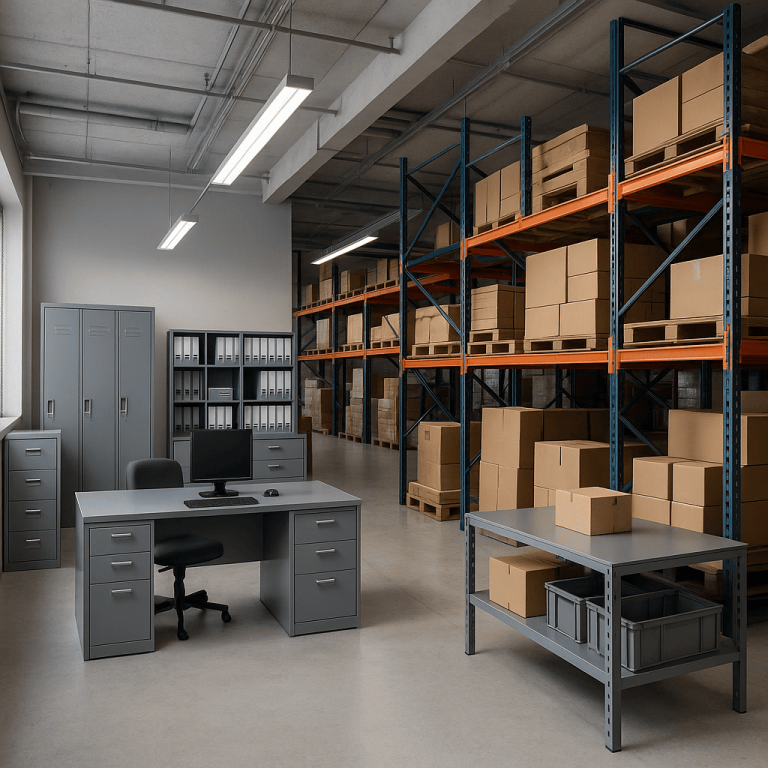
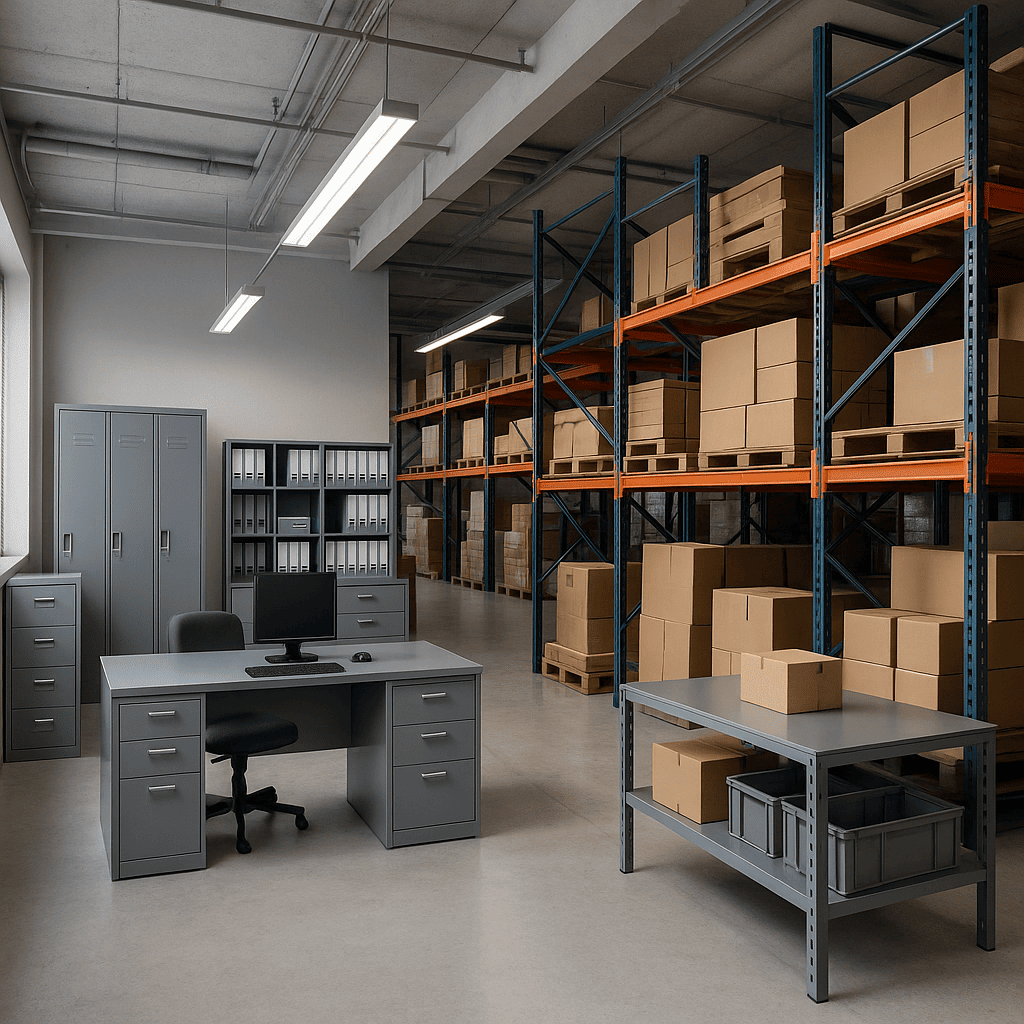
Before selecting steel furniture, clearly define where and how it will be used. For an office, steel furniture is commonly used for:
- Filing cabinets
- Storage cupboards
- Office desks
- Lockers
- Drawer units
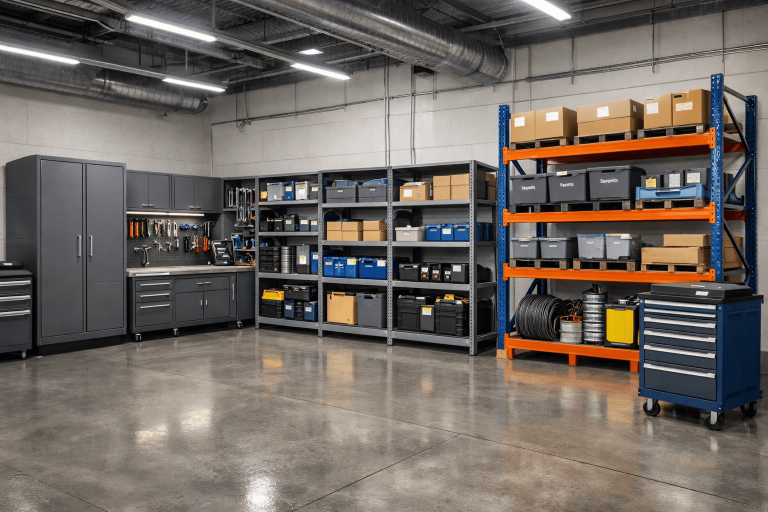
For a warehouse, steel furniture is used for:
- Heavy-duty racks
- Shelving units
- Pallet storage systems
- Tool cabinets
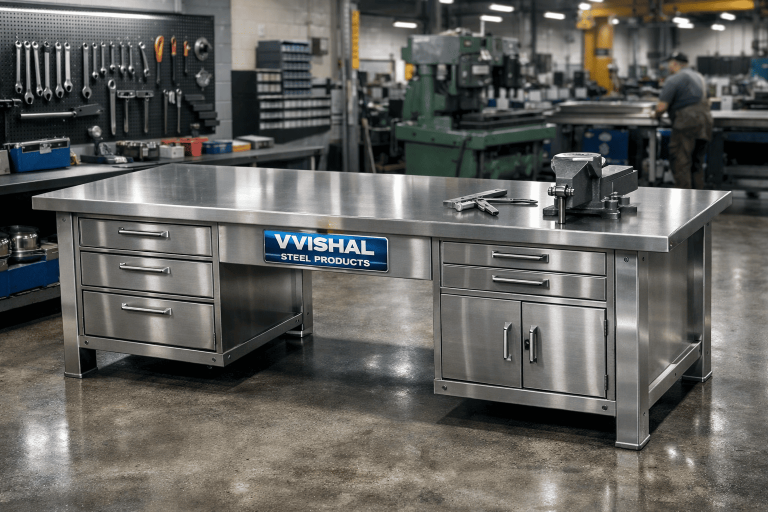
- Workstations
Measure your available space and understand the workflow. Choosing furniture without proper planning may lead to overcrowding, poor movement, and reduced productivity.
2. Choose the Right Type of Steel Furniture
Steel furniture comes in different designs and capacities. Selecting the correct type depends on usage.
For Offices
- Steel filing cabinets: Ideal for storing documents safely and neatly.
- Steel cupboards: Suitable for files, office supplies, and equipment.
- Steel office desks: Strong, stable, and long-lasting.
- Employee lockers: Useful for personal storage and security.
For Warehouses
- Heavy-duty steel racks: Designed to handle large loads.
- Industrial shelving: Ideal for medium-weight items.
- Tool storage cabinets: Keep tools organized and secure.
- Work tables: Strong enough for assembly and packaging tasks.
Always select furniture that matches the weight and usage it is designed.
3. Check Load Capacity and Strength
One of the biggest advantages of steel furniture is its strength, but not all steel furniture has the same load-bearing capacity. For warehouse furniture, check:
- Maximum weight per shelf
- Overall rack load capacity
- Thickness of steel sheets
- Reinforcement beams or supports
For office furniture:
- Drawer load capacity
- Stability of cabinets
- Door and hinge strength
Choosing furniture with insufficient load capacity can lead to bending, damage, or safety risks.
4. Focus on Quality of Steel and Finish
The quality of steel used plays a major role in durability. Look for:
- High-grade mild steel or stainless steel
- Rust-resistant coatings
- Powder-coated finishes for long life
- Smooth edges and proper welding
A good finish not only improves appearance but also protects furniture from corrosion, especially in warehouses where humidity and dust are common.
5. Prioritize Safety and Ergonomics
Safety should never be compromised, especially in workplaces. Important safety features include:
- Rounded edges to prevent injuries
- Anti-tilt mechanisms in cabinets
- Lockable drawers and doors
- Stable bases and anchors for racks
For office environments, ergonomics is also important:
- Comfortable desk height
- Easy-to-open drawers
- Proper handle placement
Well-designed steel furniture reduces workplace accidents and improves comfort.
6. Consider Customization Options
Every office and warehouse has unique requirements. Standard furniture may not always fit perfectly. Customized steel furniture allows you to choose
- Size and dimensions
- Number of shelves or drawers
- Color and finish
- Locking systems
- Load capacity
Custom solutions help you utilize space efficiently and meet specific operational needs.
7. Check Maintenance and Longevity
Steel furniture is known for low maintenance, but quality matters. Good steel furniture should:
- Require minimal cleaning
- Resist rust and corrosion
- Withstand daily wear and tear
- Maintain shape and strength over the years
Compared to wooden furniture, steel furniture does not warp, crack, or attract termites, making it a smart long-term investment.
8. Match Design with Workplace Environment
Modern steel furniture is not just functional but also stylish. For offices:
- Choose neutral or modern colors
- Select sleek designs that blend with interiors
- Opt for compact and organized layouts
For warehouses:
- Focus on functionality over appearance
- Bright colors can improve visibility and safety
- Clearly labeled racks improve efficiency
A well-organized space improves employee morale and productivity.
9. Budget and Cost Efficiency
While steel furniture may seem more expensive initially, it is cost-effective in the long run. Benefits include:
- Longer lifespan
- Minimal repair costs
- Reduced replacement frequency
- High resale value
Avoid choosing furniture solely based on price. Cheap-quality steel furniture may fail quickly and increase long-term costs.
10. Choose a Reliable Manufacturer or Supplier
The right supplier ensures quality, customization, and after-sales support. When selecting a manufacturer, consider:
- Experience in steel furniture manufacturing
- Quality certifications
- Custom design capability
- Warranty and service support
- Customer reviews and past projects
A reliable supplier will guide you in selecting furniture that suits your specific office or warehouse needs.
Conclusion
Choosing the right steel furniture for your office or warehouse is an investment in efficiency, safety, and durability. By understanding your requirements, selecting the right type of furniture, checking load capacity, and focusing on quality and customization, you can create a workspace that is organized, secure, and long-lasting.
Steel furniture offers unmatched strength, low maintenance, and modern design, making it the ideal choice for professional and industrial environments. Take time to plan, consult experts, and invest in quality steel furniture to support your business operations for years to come.